

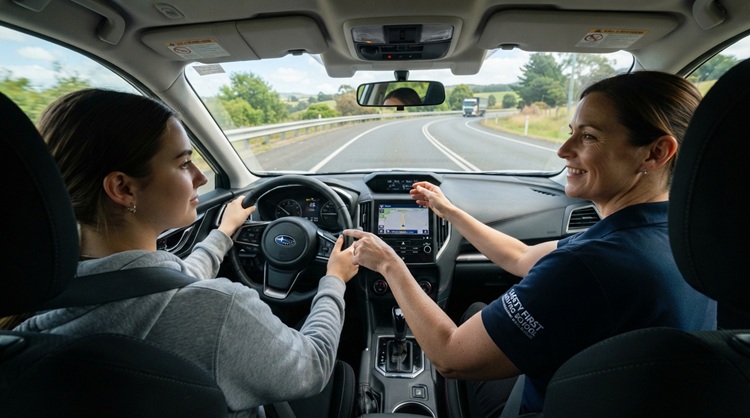
Navigating Australian roads demands continuous vigilance, situational awareness, and a commitment to protecting all road users.
Modern motoring extends far beyond simply operating a vehicle; it involves a sophisticated understanding of traffic dynamics, vehicle engineering, and personal responsibility.
According to the National Road Safety Data Hub, road safety remains a critical national priority as authorities work to reduce fatalities and serious injuries across both metropolitan and regional networks.
Table of Contents
The Evolution of Defensive Driving
Defensive driving is the cornerstone of accident prevention. It requires motorists to anticipate hazards, maintain safe following distances, and react calmly to unexpected situations. Traditional driving techniques focused heavily on physical mirror adjustments and manual observation.
However, modern vehicles are increasingly equipped with advanced driver-assistance systems designed to minimise human error.
Technologies such as autonomous emergency braking, lane-keep assist, and blind spot monitoring play an instrumental role in identifying risks before they escalate into collisions.
To maintain optimal safety standards on every journey, drivers should integrate several core practices into their daily routines:
- Conduct Thorough P-Checks and Shoulder Checks: Physical mirror configurations leave inherent blind spots. Always perform a quick head check before merging lanes or turning to ensure the path is completely clear.
- Maintain Sensible Following Distances: Leave at least a three-second gap between your vehicle and the car ahead, extending this distance significantly in wet weather or unsealed rural roads.
- Eliminate Digital Distractions: Mobile phone usage drastically impairs reaction times. Secure your device out of reach before starting the engine to keep your absolute focus on the tarmac.
- Adhere Strictly to Speed Limits: Speeding reduces your vehicle’s stopping capability and leaves little room for error if another motorist behaves unpredictably.
- Inspect Vehicle Safety Systems Regularly: Ensure tyres, brakes, wipers, and electronic sensors are functioning correctly to guarantee your car responds predictably when emergency manoeuvres are required.
Technological Advancements and Shared Responsibility
Vehicle technology continues to revolutionise how we protect ourselves and our passengers.
While mechanical reliability is vital, technological integrations help bridge the gap during moments of momentary distraction or poor visibility.
For a visual demonstration of how modern vehicle safety engineering assists drivers on daily commutes, you can watch this Transport for NSW safety overview.
Ultimately, cultivating a culture of safety relies on individual accountability. Whether commuting through dense capital city traffic or cruising along regional highways, every decision matters.
By combining disciplined driving habits with an appreciation for modern vehicle technology, motorists can significantly contribute to lowering national crash statistics and ensuring everyone arrives home safely.
This video from Transport for NSW explains how various vehicle safety features protect motorists and passengers on the road.