

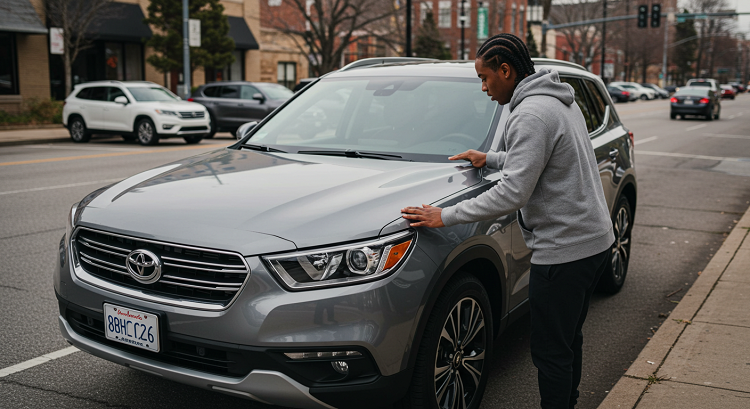
Owning a car for the first time is exciting. It feels like freedom, right? You can go wherever you want, whenever you want. No more waiting for someone to give you a ride or trying to figure out the bus schedule. But here’s the thing nobody really tells you—cars need attention. A lot of it. And if you don’t know what you’re doing, things can go wrong fast.
This isn’t about turning into a full-on mechanic or memorizing a manual. It’s about knowing the basics so the car runs well, stays safe, and doesn’t end up draining your wallet.
Table of Contents
You’ll Need Spare Parts—More Than You Think
Here’s something most first-time car owners don’t realize until it’s too late: parts wear out. Fast. It’s not just tires or brakes. It’s smaller things too—windshield wipers, air filters, spark plugs, even the battery. These things don’t last forever, and ignoring them can mess with how the car runs.
If something seems off—maybe the engine sounds weird or the car starts slower than usual—it could just be one small part causing it. That’s why it helps to know where to find good-quality replacements. For example, if you’re in Western Australia, check out this Car Spare Parts Perth service to get reliable parts that won’t let you down.
Cheap parts might seem like a good idea at first, but they usually don’t last. Better parts might cost a bit more upfront, but they save money in the long run because they don’t need to be replaced as often.
Your Dashboard Isn’t Just for Decoration
When a light pops up on the dashboard, don’t ignore it. Seriously. Those little symbols are there to warn you when something’s wrong. And while some aren’t super serious—like the low fuel light—others need to be checked out fast.
One that often gets ignored is the “check engine” light. It doesn’t always mean something major, but it never turns on for no reason. Even if the car still drives fine, something could be wearing out or not working right, and driving on it could make things worse.
It’s a good idea to look up what each dashboard light means for your car. The owner’s manual explains them, or you can easily search online using your car’s make and model.
Oil Changes Are a Big Deal
This might sound boring, but it’s super important. Oil keeps the engine working smoothly. If the oil gets too dirty or runs low, parts inside the engine rub against each other, and that causes major damage. Like, “thousands of dollars” kind of damage.
Most cars need an oil change every few months or after a certain number of kilometers, depending on how much you drive. Some newer cars will remind you when it’s time, but don’t wait too long. Check the oil level once in a while too. It only takes a minute and can help spot a leak before it becomes a problem.
Tires Aren’t Just About Grip
Tires do more than help the car move. They affect how it handles, how safe it is, and even how much fuel it uses. If tires are old or worn out, stopping takes longer, and turning isn’t as smooth. Bad tires also make the car work harder, which burns more fuel.
Make sure the tire pressure is right. You can find the recommended pressure on a sticker inside the driver’s door or in the manual. Check the tread, too. If the grooves look flat or uneven, it might be time for new ones.
Also, get the tires rotated. That just means switching their positions so they wear down evenly. It’s something a shop can do when you go in for an oil change.
Keep It Clean (Inside and Out)
Washing your car isn’t just about looks. Dirt, road salt, and bird droppings can damage the paint and cause rust over time. And rust isn’t just ugly—it can spread and mess with how the car holds up in an accident.
Inside matters too. Crumbs, drinks, and trash might not seem like a big deal, but they can attract bugs or even mold if left too long. Plus, driving in a clean car just feels better. Keeping it tidy means it’ll smell good, look good, and last longer.
Don’t Skip Regular Maintenance
Think of car maintenance like going to the dentist. Skipping checkups might not seem like a big deal at first, but problems can sneak up fast. Getting your car checked regularly helps find small issues before they turn into expensive ones.
Some of the most important checks include brakes, battery, fluids, belts, and lights. A mechanic can spot things you wouldn’t notice on your own. It’s also smart to get a service before long road trips to avoid breaking down far from home.
Get to Know Your Car’s Basics
You don’t have to be a mechanic, but knowing a few things makes a big difference. Learn how to change a flat tire, check and top up fluids like oil or coolant, and jump-start the battery if it ever dies. Even just reading the basics in your car’s manual gives you a head start.
Being able to handle small problems on your own can save time, money, and stress. Plus, it feels good to be ready if something goes wrong.
Ask Questions and Learn As You Go
There’s no shame in not knowing something. Every car owner starts out unsure. If a mechanic explains a repair and it sounds confusing, ask them to break it down. If you’re not sure whether a part is worth replacing, look it up or ask someone who knows more.
The more questions you ask, the more confident you’ll feel with your car. Over time, things that seemed complicated will start to make sense.
Key Takeaways That Matter
Owning your first car is fun, but there’s a lot to learn along the way. Knowing how to spot worn-out parts and where to find the right replacements helps prevent bigger issues. Paying attention to the dashboard, checking oil and tires, and keeping things clean makes your car last longer and feel better to drive.
Even if you’re not super into cars, being able to do the basics gives you more control and fewer surprises. So keep learning, ask questions, and take care of your ride. That way, it’ll take care of you.