

Table of Contents
Understanding the Basics of RV Collisions: What You Need to Know
The Anatomy of an RV: How Size Impacts Collision Dynamics
When considering the mechanics behind RV collisions, one must first examine the unique anatomy of these vehicles. RVs, or recreational vehicles, come in a variety of shapes and sizes, ranging from compact campervans to large buses. This extensive range of dimensions and weights dramatically influences the dynamics of collision incidents. For instance, an RV’s higher center of gravity makes it vulnerable to rollovers during sharp turns or sudden stops—a fact that conventional cars are less susceptible to due to their lower profile. Moreover, the substantial weight of an RV means that, upon impact, it can cause significant damage not only to itself but also to other vehicles involved, creating a ripple effect in accident severity.
The size of an RV also complicates parking and maneuvering in urban environments or crowded travel destinations, increasing the likelihood of collisions in tight spots. The sheer mass must be taken into consideration, particularly in multi-vehicle scenarios where stopping distances are greater, and cornering becomes a challenge. Understanding these parameters is fundamental for RV operators to navigate driving safely while being ever aware of the potential consequences of an unfortunate collision.
Common Types of RV Accidents: From Fender Benders to Rollovers
Accidents involving RVs can vary from minor incidents such as fender benders to catastrophic rollovers. A common scenario might involve a simple rear-end collision caused by sudden braking in congested highway traffic. Because RV operators often have limited visibility due to the vehicle’s bulk, they may inadvertently underestimate the speed of vehicles behind them, contributing to these types of accidents.
Then there are more severe incidents, such as rollovers, often triggered by excessive speed during high winds or abrupt swerves to avoid obstacles. The RV’s design, particularly in models that are modifiable or equipped with slideouts, can exacerbate instability. Furthermore, single-vehicle accidents are prevalent, where an RV loses control due to adverse weather conditions, mechanical failure, or operator error, resulting in the vehicle leaving the roadway and possibly rolling over.
As RV usage increases, particularly during peak travel seasons, understanding these common accident types allows RV enthusiasts to better anticipate risks and take preventive measures, such as undergoing comprehensive driving training and familiarizing themselves with the vehicle’s attributes.
The Emotional Toll of RV Accidents: Navigating the Aftermath
Experiencing an RV accident is not solely a logistical dilemma; it is an emotionally taxing event that can affect drivers and passengers alike. The aftermath can result in feelings of anxiety, frustration, and even fear of future travel. Many RV owners view their vehicles as a second home, providing an escape and a source of adventure. Consequently, suffering damage to such an important part of their lifestyle can feel devastating, leading to stress or emotional burnout.
Furthermore, the process of sorting through insurance claims, undertaking repairs, and dealing with the reality of diminished mobility can instill a sense of helplessness. Many may struggle to manage their daily lives while navigating repair schedules and the impact of potential traffic violations or liabilities. Seeking support from friends and camping communities can be beneficial during these periods, as shared experiences can provide comfort and essential tips for recovery and preparation for future travels. Understanding that these feelings are normal and acknowledging them can aid in managing the recovery process effectively.
DIY vs. Professional Repair: Choosing the Right Path for Your RV
The Pros and Cons of DIY RV Repair: Are You Up for the Challenge?
Deciding whether to tackle RV repair yourself or hire a professional depends on various factors, including your skill level, the extent of the damage, and the time you can allocate to repairs. The DIY route can often save you substantial costs, particularly in the context of minor bodywork or cosmetic repairs such as replacing window seals, patching minor dents, or repainting faded surfaces. It can also impart valuable hands-on experience with your RV, enhancing your understanding of its systems and components, which could benefit future maintenance.
However, the challenges of DIY repairs can outweigh the benefits, particularly with complex issues like frame damage or electrical system malfunctions. The risk of improper repairs leading to further damage or safety hazards cannot be overstated. Moreover, it has the potential to void warranties if not conducted according to manufacturer guidelines. Before embarking on any DIY repairs, it’s vital to assess your abilities honestly while considering whether the investment in tools and time is worth it compared to hiring professionals.
Finding the Right Collision Repair Shop: Key Questions to Ask
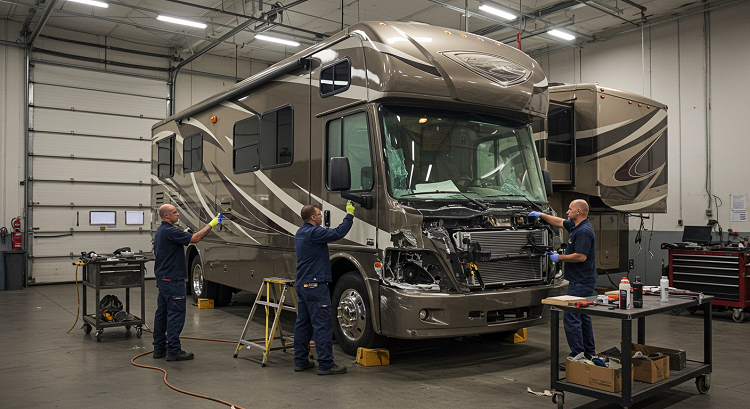
When opting for professional repair, selecting the right collision repair shop can be a daunting task. Start with a thorough online search for shops that specialize in RVs, as standard auto body shops may not offer the specific services needed to address the unique issues associated with RVs. Look for establishments that have a good reputation within the RV community and read customer reviews to gauge their quality of service.
Key questions to ask include: What is your experience with RV repairs? Do you work with my specific type of RV? What are your labor rates and estimated timelines for completion? Additionally, inquire about the repair materials and techniques they utilize, as quality can greatly impact the longevity of the repairs. Finally, don’t hesitate to ask for references or to see examples of their work to ensure their expertise meets your expectations.
The Cost of Professional Repairs: What You Should Expect
The cost associated with professional RV collision repairs can vary dramatically based on factors such as the severity of the damage, the type of repair required, labor costs, and geographical location. Light cosmetic repairs might run in the hundreds, while major structural damages could escalate into thousands of dollars. An essential aspect of understanding repair costs is that they often extend beyond the initial repair quote; prices can fluctuate based on unforeseen complications that arise during the repair process.
Additionally, it’s critical to review your insurance policy beforehand to understand what is covered and any deductibles that might apply in the case of repairs. Many insurance companies will directly handle payments with approved repair shops, easing the financial burden on you. However, always seek multiple quotes before committing to a repair facility to ensure you’re receiving a fair deal. Ultimately, being financially prepared and informed allows RV owners to navigate this stressful journey with greater peace of mind.
The Repair Process: From Assessment to Restoration
The Importance of a Proper Damage Assessment: What to Look For
A proper damage assessment is a critical first step in the RV repair process. Before any repair work begins, an experienced technician must conduct a thorough evaluation to pinpoint the extent and type of damage. This assessment should not only identify visible issues but also consider hidden damages that could exacerbate problems down the line. For instance, if an RV has sustained body damage, an inspector should check for frame integrity and any potential impact on the vehicle’s alignment or axles, as these can lead to dangerous driving conditions if overlooked.
Moreover, a detailed assessment helps create a comprehensive repair plan that can inform both the timeline and costs involved. It’s important to ensure that all relevant systems, including electrical, plumbing, and HVAC components, are considered, as a minor collision could potentially disrupt these vital systems. Conducting a meticulous damage assessment ensures a more efficient restoration process and contributes to the safety and reliability of the repaired vehicle. RV owners are encouraged to request a written report of the findings, which can also aid in insurance claims.
Advanced Repair Techniques: Innovations in RV Collision Repair
With advancements in technology and materials, the RV collision repair industry has witnessed significant innovations. Modern techniques such as paintless dent repair (PDR) allow professionals to remove minor dents without the need for repainting, preserving the original finish of the RV and reducing repair times. Furthermore, state-of-the-art frame straightening systems can effectively restore structural integrity with precision that hand tools cannot achieve.
Moreover, the use of advanced composite materials and high-strength aluminum in RV construction necessitates specialized knowledge for effective repair, as traditional methods might not be applicable. Many repair shops are adopting laser measuring systems which enhance accuracy in frame alignment and part replacement, ensuring that repairs enhance rather than compromise vehicle safety. Staying informed about these innovations can guide RV owners toward the best repair methods for their particular needs, ultimately leading to higher-quality restorations.
Aesthetic vs. Functional Repairs: Balancing Looks and Safety
When it comes to collision repairs, RV owners often find themselves faced with the choice between aesthetic enhancements and necessary functional repairs. While a new paint job or shiny decals may beautify an RV post-accident, it’s imperative to prioritize safety and functionality above all else. Aesthetic repairs should be secondary to ensuring that the RV can operate correctly and safely once repairs are completed.
For instance, if there’s a significant issue with the RV’s structural components or the braking system, these must be resolved before any surface-level enhancements can be considered. In addition, neglecting to repair functional issues could result in further damage or dangerous driving conditions that could endanger everyone on the road. A conscientious approach to repair prioritizes comprehensive assessments, ensuring that both aesthetic appeal and core functionality are restored, protecting the investment and enhancing the enjoyment of RV ownership.
Preventive Measures and Safety Tips: Keeping Your RV Accident-Free
Regular Maintenance Routines: Your First Line of Defense
One of the most effective ways to prevent RV accidents is to maintain a rigorous and proactive maintenance routine. Regular inspections—at least bi-annually, or more frequently for heavy users—ensure that all components are functioning correctly and that any wear and tear are addressed before they become significant problems. This includes checking tire pressure and tread depth, inspecting the brakes, and ensuring that lights and signals are operational.
Additionally, regular engine maintenance and fluid checks can prevent mechanical failures during travel. Fluid leaks, worn-out hoses, or brake issues can quickly escalate from minor inconveniences to serious safety hazards if left unchecked. Investing time in maintenance not only enhances safety but also adds to the longevity of the RV and improves its resale value. Don’t overlook the importance of keeping your RV clean to help identify potential issues early on, such as rust development or decal peeling which might reveal underlying damage.
Tips for Safe Driving: Mastering RV Maneuverability
Driving an RV is significantly different from operating a conventional vehicle, and mastering the art of maneuverability is crucial for accident prevention. Key techniques involve understanding the RV’s larger turning radius and the need for gradual motion when changing lanes or responding to obstacles. Practicing these maneuvers in a safe area can help build confidence and control.
Furthermore, familiarizing yourself with your RV’s blind spots is essential. Unlike smaller vehicles, RVs have unique challenges with visibility, particularly during lane changes or backing up. Utilizing aids, such as cameras or mirrors designed for RVs, can provide additional assistance. Always use the “three-second rule” for following distance in typical driving conditions and increase that distance in adverse weather, allowing for adequate stopping time. Safe driving habits cultivate confidence and comfort, making your RV adventures much more enjoyable.
Understanding Insurance Policies: Are You Covered for Accidents?
RV owners must have a clear understanding of their insurance policies, particularly regarding coverage for accidents. Not all insurance policies are created equal; some may include comprehensive coverage while others are strictly liability. It’s vital to review the provisions within your policy, including deductibles and limits to ensure that you’re adequately protected. Consider additional coverage options such as collision and comprehensive insurance to protect your investment against various risks, including theft and natural disasters, which might not otherwise be covered under basic liability.
In addition, understanding how claims are processed can offer peace of mind post-accident. Some insurance providers have partnerships with preferred repair shops, which can facilitate smoother claims handling and repairs. Regularly reevaluating your insurance needs, especially after making significant modifications to your RV or changes in travel habits, ensures that you remain appropriately covered. Having this knowledge not only protects you legally but also alleviates some stress associated with RV ownership.
Conclusion
Repairing and maintaining an RV after a collision or damage is no small task; it requires both knowledge and mindfulness of the unique challenges presented by these vehicles. As RVs continue to be a symbol of freedom and adventure for many, being informed and prepared enhances safety and enjoyment on the open road. By understanding the intricacies of collision dynamics, assessing repair needs methodically, and prioritizing preventive maintenance, RV owners can navigate the complexities of collision repair with confidence and proficiency. Investing time in learning these principles will undoubtedly lead to a safer, more fulfilling RV experience.